What Is an Enterprise AI Assistant and How Does It Work?



Comments On "What Is an Enterprise AI Assistant and How Does It Work?"
Leave a Reply
Recent Blogs

Oct
30
2026
Before Enabling Copilot, Is Your Microsoft 365 Environment Ready for AI?
Why Microsoft 365 Security Readiness Matters Before Enabling Copilot Microsoft 365 Copilot can help employees summarise meetings, find information, draft
Oct
29
2026
What Is an Enterprise AI Assistant and How Does It Work?
The Growing Challenge of Accessing Enterprise Information Every organization runs on multiple systems. Customer information lives in CRM platform. Financial

Oct
15
2026
Microsoft Purview vs Defender vs Sentinel: What’s the Difference?
Three Microsoft Security Solutions, Three Different Roles Microsoft Purview, Microsoft Defender, and Microsoft Sentinel are three names that frequently appear

Sept
25
2026
10 Business Questions Every Leader Should Ask Cazper
The Problem Isn’t Data. It’s Getting Answers. Business leaders rarely lack data. The problem is getting a clear answer from

Sept
23
2026
How Travel Analytics Is Shaping the Future of Tourism
The Data Revolution Behind Every Journey Travel businesses generate data at almost every stage of the customer and operational journey.

Aug
25
2026
Is Your Microsoft 365 Environment Secure? 5 Things IT Heads Need to Check
Microsoft 365 Isn’t Secure by Default Microsoft 365 is one of the most widely used cloud productivity platforms, but being

July
23
2026
Introducing Cazper: An AI-Powered Business Intelligence Assistant from Mismo Systems
Why Every Business Needs an AI-Powered Business Intelligence Assistant Businesses today generate more data than ever before. From sales and
May
01
2025
From Data to Decisions: How Data Analytics is Transforming UK Enterprises
Introduction Imagine knowing what your customers want before they even realize it. What if you could anticipate market trends, optimize
Apr
29
2025
Effective Multi-Cloud Management: Security, Cost Optimization, and Strategy
Mastering Multi-Cloud Management in 2025: Centralization, Security, Cost, and Automation Introduction The multi-cloud management platform market reached $13.33 billion in
Apr
09
2025
Power BI in 2025: Latest Features, Trends & Best Practices
Introduction In the fast-changing business intelligence landscape, data is much more than simple digits—it lays the cornerstone for tactical choices.
Mar
21
2025
Azure Landing Zones: Build Secure, Scalable Cloud Foundations
Want to build a secure, scalable cloud setup? Discover how Azure Landing Zones create a strong foundation for your cloud
Mar
13
2025
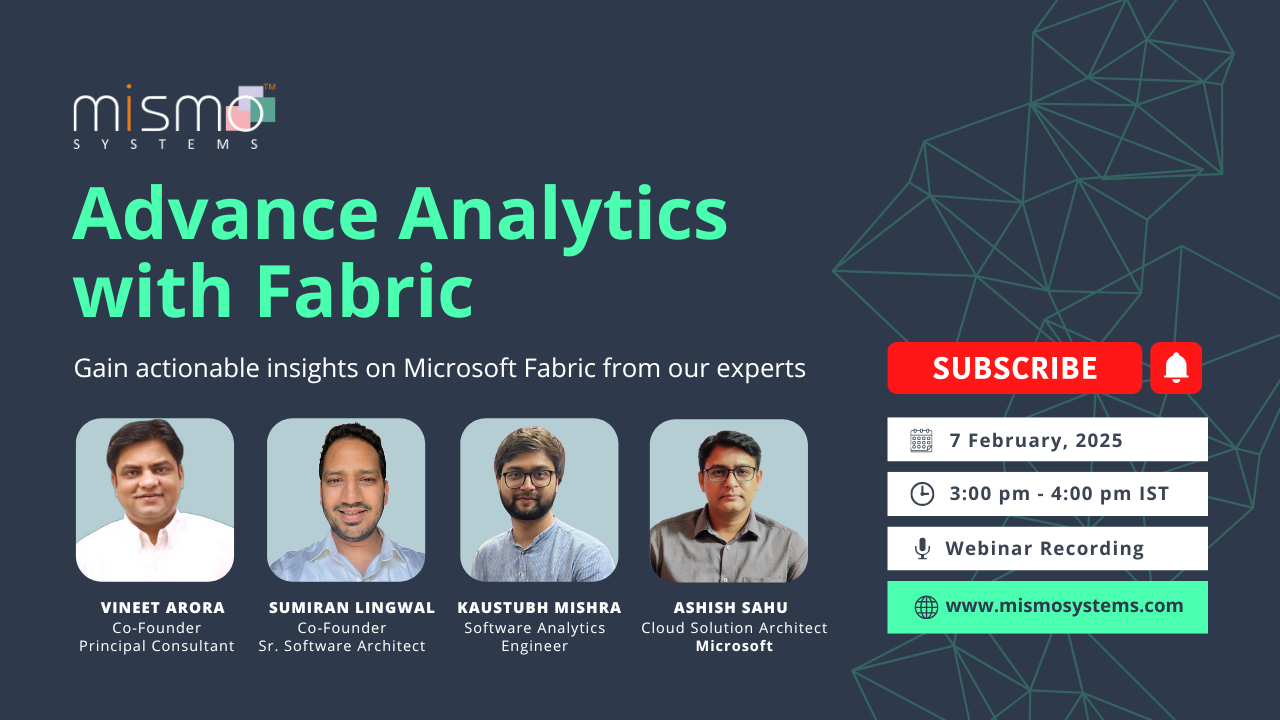
Advance Analytics with Microsoft Fabric
Unlock the full potential of Microsoft Fabric and take your analytics game to the next level! In this exclusive webinar,
Mar
24
2025
How to Migrate VMware to Azure? Plan, Execute and Optimize Your Migration using Azure.
For several years, VMware solutions have been at the forefront of the business world, trusted as the virtualization platform powering
Mar
17
2025
Microsoft Fabric Architecture Guide 2025 – Key Insights & Features
Microsoft Fabric is an integrated analytics and data platform designed to meet the needs of large enterprises. It combines various
Jan
27
2025
Ensuring Optimal Active Directory Health, Security, Performance, and Upgrades
Active Directory Domain Service (AD DS) is widely used directory service and foundation of Windows domain network in organizations. It
Jan
20
2025
Transform Your Business with Power Automate, Power Apps, and Copilot Studio
Microsoft’s Power Platform is a robust suite of tools designed to empower businesses to innovate and transform their operations. It
Jan
09
2025
How to Manually Migrate a WordPress Website from One Host to Another
Migrating a WordPress website from one host to another can seem daunting, but with a step-by-step guide, the process becomes

Dec
18
2024
A Stress-Free Guide to Setting Up Your Azure Environment
It’s like going on an adventure when you start your cloud journey. It may make you happy, but if you’re

Dec
18
2024
Microsoft Fabric Uncovered Capabilities Advantages
In this blog we will dive into Microsoft Fabric and go over the core services offered on the Fabric platform.
Nov
18
2024
MS Fabric and the Future of Predictive Analytics: What to Expect
Uncover how MS Fabric is transforming predictive analytics and what innovations lie ahead for businesses and technology.
Nov
12
2024
Unlock the Power of AI with Microsoft Copilot Studio
In this webinar, we dive deep into Microsoft’s transformative AI technology and show you how to create custom AI assistants
Nov
07
2024
Power BI for Business Success: Making Data-Driven Decisions Easy
Learn how to make the most of Power BI’s sharing functionalities to drive impactful data-driven decisions.
Nov
07
2024
Setting up High Availability and Disaster Recovery for Enterprise Applications
Learn how to ensure business continuity, minimize downtime, and protect your critical systems with best practices for HA and DR.
Nov
07
2024
Analytics Unplugged: From Raw Data to Actionable Insights
Dive into the world of Data Analytics and discover how to harness the power of data for smarter decisions and
Nov
07
2024
Overcoming Cloud Migration Challenges
Cloud migration offers numerous benefits, but it also comes with its own fair share of challenges Delve into the most

Oct
18
2024
Rescuing Important Emails from the Junk Folder with Microsoft Graph API
Introduction: Because, Of Course, It Had to Be the CEO Let me paint you a picture: we were managing the
Oct
07
2024
Cloud Adoption Challenges
Tune in for a deep dive into overcoming hurdles in cloud adoption using real-world solutions from our co-founder, Vineet Arora.

Sept
17
2024
Power BI Consulting Company
Power BI Consulting Company: Empowering Businesses with Data-Driven Insights In today’s competitive landscape, organizations need actionable insights to stay ahead.

Sept
17
2024
Power BI Partners
Power BI Partners: Driving Data-Driven Solutions As a trusted Power BI partner, Mismo Systems is dedicated to empowering organizations with

Sept
17
2024
Power BI Development Company
Empowering Data-Driven Insights in India (Delhi, Noida, Bangalore) and USA In today’s digital landscape, businesses are generating vast amounts of

Sept
17
2024
Power Bi Development Services
Power BI Development Services: Unlocking Data-Driven Success At Mismo Systems, we offer specialized Power BI development services to help organizations

Sept
10
2024
Power BI Service for Enterprise Analytics
In today’s data-driven business landscape, enterprise analytics plays a crucial role in informed decision-making and maintaining a competitive edge. Microsoft’s

Sept
10
2024
Planning Your Legacy Application Migration to Containers
This blog post is in continuation to “Why Migrate Legacy Applications to Containers and What are the Challenges this Brings?”

Aug
05
2024
Azure AI, ML Studio & OpenAI: Simplifying Microsoft’s AI Ecosystem
In today’s rapidly evolving technological landscape, integrating artificial intelligence (AI) and machine learning (ML) into business operations is no longer

Aug
05
2024
Why Migrate Legacy Applications to Containers and What are the Challenges this Brings?
Introduction to Containerization Containerization is the era to welcome: a time where complexity would confront simplicity in the field of

Apr
18
2024
Azure Log Analytics Workspace – Ensuring Compliance, Centralizing and Streamlining Monitoring
In the realm of cloud computing, the ability to monitor, analyze, and respond to IT environment anomalies is crucial for

Apr
17
2024
Azure Stack HCI 3-node Cluster Configuration – Switchless Storage Network
Mismo Systems implemented a 3-node Azure Stack HCI cluster for one of the clients. The cluster was configured with a

Oct
04
2023
Microsoft update: Chat with users with Teams personal accounts
Chat with Teams will extend collaboration support by enabling Teams users to chat with team members outside their work network
Dec
01
2022
AWS vs Azure
The cloud service providers AWS and Azure are truly miraculous helping millions across the globe creating a virtual space with

Apr
25
2022
The need for a hybrid solution – Azure Stack HCI
Microsoft’s Azure Stack HCI is a hyper-converged infrastructure with virtualization, software-defined networking, and more. What separates it from the rest

Jan
10
2022
Azure Virtual Desktop vs Windows 365
Azure Virtual Desktop (AVD) is a Desktop as a Service (DaaS) solution offered on Microsoft Azure, previously named Windows Virtual

Nov
16
2021
Microsoft 365 Update:- Viva Connections is now generally available!
Viva Connections, part of Microsoft Viva, is your entry point to a modern employee experience. You get an all-in-one experience with the customized

Nov
16
2021
Microsoft 365 Update:- Meeting Activities in Teams Audit Log
Meeting Activities have been added to the Microsoft Teams audit log to help organizations respond more effectively to security events, forensic investigations,

Nov
15
2021
Azure Update:- Global Disaster Recovery via Azure Site Recovery
Azure Site Recovery is a Cloud-driven, highly innovative, and automated disaster recovery solution (DRaaS). Azure’s native platform capabilities for high

Nov
15
2021
Azure Update:- Screen Capture Protection for Azure Virtual Desktop
Azure Virtual Desktop is a service running in the cloud that enables your users to access the data, applications, and
Nov
15
2021
Azure Update:- Immutable Storage with versioning for Blob storage
Azure blob storage is massively scalable and secure object storage for cloud-native workloads, archives, data lakes, high-performance computing and machine

Nov
10
2021
How is Cloud transforming Industries?
Cloud technology has been impactful in transforming business. From cost savings to easy collaboration, the usage of the Cloud has

Sept
27
2021
4 Tips for Protection Against Unsafe Emails
Earlier, the spotting of malicious content in emails was quite an easy task. However, due to the rise in technology,
Sept
24
2021
How is hybrid cloud useful for midsize/large businesses?
A hybrid cloud can be defined as a cloud computing environment that utilizes a combination of on-premises private cloud and

Sept
22
2021
How to Protect Your Data from a Ransomware Attack
What is a Ransomware attack? It can be defined as a malware attack that is carried out deliberately to encrypt
Aug
24
2021
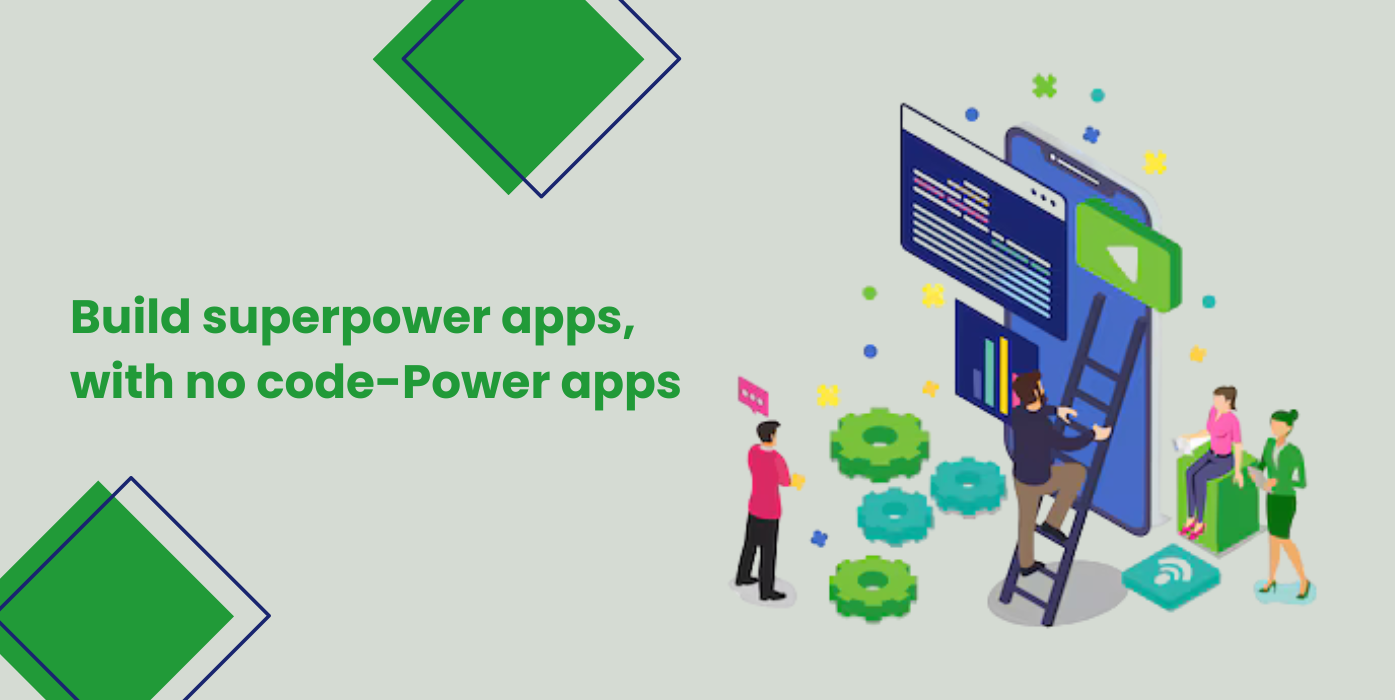
Build superpower apps, with no code-Power apps
PowerApps is a tool that allows you to create custom apps, leveraging many of the features of the Office 365
Aug
11
2021
Why do you need a Modern Workplace – M365?
Microsoft 365, a world of enhanced productivity and collaboration that drives a team to achieve more together, is a complete
July
02
2021
Microsoft Teams Updates (June 2021)
In this blog, we will be discussing the various Microsoft Teams updates in the month of June. Meeting Updates: During

June
22
2021
Microsoft rebrands Windows Virtual Desktop as Azure Virtual Desktop
Microsoft’s virtual desktop infrastructure platform has been rebranded under the Azure name and notified of new security and management capabilities

May
07
2021
How Startups can succeed with Cloud Computing?
Startups are an enjoyable but demanding professional experience. A host of entrepreneurially dedicated professionals pursue their passion and dive into

May
04
2021
Azure AD SSO & AWS – Connecting the Rivals
Being part of Mismo Systems, I am fortunate enough to get to work on a diverse set of projects. Few
May
04
2021
A quick look at the 4 Most Used Services on Microsoft Azure
1. Azure Compute Azure compute is an on-demand computing service for running cloud-based applications. Azure compute service can be divided broadly into three
May
01
2021
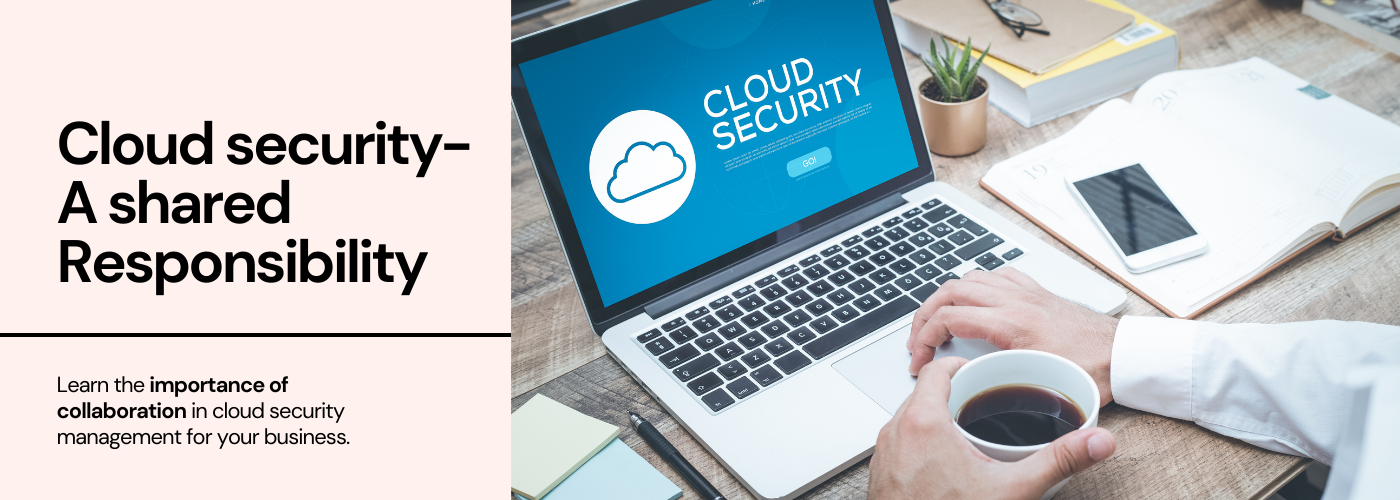
Cloud Security – A shared responsibility
We see all businesses small or big, consuming cloud technology in one or another way. The pandemic has increased the
Apr
18
2021
Breakout Rooms and Its Usage – Microsoft Teams
In this blog, we are going to discuss a feature provided by Microsoft teams known as Breakout rooms. Also, we
Apr
12
2021
Is Cloud cheaper than On-premises Data Centres?
Cloud has bloomed over the last decade, according to Goldman’s analysts almost 23% of IT workloads now live on Public
Apr
04
2021
Hosting with Transparency, Compliance, and Security
We help customers host applications on the cloud, this includes accounting systems including Tally, ERP software including SAP, and Navision.

Apr
04
2021
Future of Cloud Computing
Cloud computing has established itself as the inevitable future when it comes to IT services. This picture becomes much clearer
Apr
04
2021
AWS Security Features
The Amazon Web Services (AWS) in terms of security follow a shared responsibility model. So, the security ‘of’ the cloud is on
Mar
14
2021
Azure vs AWS
It’s Azure vs AWS!! Read this blog to know the major differences between Azure & AWS. What is Azure? Microsoft
Mar
04
2021
What is Budget in Azure and how can you set the Budget?
Budget in Azure to manage and monitor the spending or consumed cost for Azure services. We can apply budget on

Mar
09
2021
Azure Firewall
Azure Firewall is a managed, cloud-based network security service that protects your Azure virtual network resources. You can centrally create,
Mar
03
2021
Package Manager for Microsoft Intune Administrators – Part 1
Deploying applications to end-user Windows machines has never been easier if you are a Microsoft Intune administrator. Earlier what used
Mar
02
2021
Major Cloud Concerns – Do corporate agents, cyber hackers, and governments have access to my data if it is in the cloud?
This is one of the major cloud concerns for many companies, but it is irrational. Your IT team manages access,
Jan
04
2021
How Global admin can give someone’s OneDrive access to another user?
Please follow the below steps to use this feature. Go to Admin Center https://admin.microsoft.com/ > User>Active Users> Search Name>Click on User Profile.

Dec
04
2020
Microsoft Secure Score
Microsoft Secure Score is a security analytics tool that provides better security configuration and security features. It applies a numerical
Dec
04
2020
Top 10 Elements of The Cloud
In this blog I will be talking about the Top 10 elements of Cloud. Virtual Network: Create a logically isolated section
Nov
03
2020
How Cloud Computing Can Improve Your Business?
Cloud computing provides users with access to files, applications, data, and services from their Internet-connected devices, such as smartphones, laptops,
Sept
04
2020
Visio Tabs in Microsoft Teams
Visio Tabs in Microsoft Teams allows team members in a dedicated space to access resources and information in a channel
Aug
04
2020
Cloud or On-prem? – All you need to know about moving to Office 365
Protection and uptime are usual for Office 365 in the cloud. Companies are generating data at an utterly impressive pace
Mar
09
2019
Remove Azure AAD Connect
Let’s see the steps to disable AD Sync, remove AAD connect and move to cloud-only administration. 1. Download Azure Active
No Comments