

Branch office and edge
Optimize costs for branch office and edge workloads by utilizing compact clusters with flexible deployment options. Lower infrastructure costs can be achieved through simplified networking architectures and centralized management through Azure. Organizations can centrally monitor and manage distributed Azure Local deployments from the Azure portal.

Virtual desktop infrastructure (VDI)
Azure Local is ideal for large-scale VDI deployments with Azure Virtual Desktop, RDS, or third-party desktop virtualization solutions. Benefits include centralized storage, improved security, simplified management, and enhanced protection for user workloads and data.

Trusted Enterprise Virtualization
Azure Local provides enterprise-grade virtualization with advanced security capabilities including Virtualization-based Security (VBS), Shielded VMs, and Secured-core infrastructure support. These features help protect workloads against firmware, kernel, and virtualization-layer threats.

Azure Kubernetes Service (AKS)
Azure Local can host container-based deployments using Azure Kubernetes Service (AKS) hybrid capabilities, improving workload density and operational consistency. It enhances resiliency through automatic VM failover and integration with Kubernetes orchestration.

Scale-out storage
Storage Spaces Direct utilizes industry-standard servers with local drives to deliver scalable, high-performance, and highly available storage. This approach significantly reduces costs compared to traditional SAN or NAS architectures while providing features such as deduplication, compression, nested resiliency, and cache acceleration.

Disaster recovery for Virtualized Workloads
Azure Local supports business continuity and disaster recovery scenarios using stretched clusters and Azure Site Recovery integration. Virtualized workloads can automatically fail over to secondary locations while maintaining data consistency.

Data Center consolidation and modernization
Modernize aging virtualization platforms and consolidate workloads using Azure Local. Organizations can simplify operations, improve scalability, enhance security, and reduce dependency on legacy SAN infrastructure while lowering total cost of ownership.

Run Azure Services On-Premises
Azure Arc enables Azure services to run consistently across on-premises, edge, and multicloud environments. Organizations can leverage Azure management, governance, security, and application services while maintaining workloads locally.




Assessment

Design

Deployment

Migration

Transition


Cloud
Effective Multi-Cloud Management: Security, Cost Optimization, and Strategy
Mastering Multi-Cloud Management in 2025: Centralization, Security, Cost, and Automation Introduction The multi-cloud management platform market reached $13.33 billion in

Artificial Intelligence (AI), Azure
Azure AI, ML Studio & OpenAI: Simplifying Microsoft’s AI Ecosystem
In today’s rapidly evolving technological landscape, integrating artificial intelligence (AI) and machine learning (ML) into business operations is no longer

Migration
Why Migrate Legacy Applications to Containers and What are the Challenges this Brings?
Introduction to Containerization Containerization is the era to welcome: a time where complexity would confront simplicity in the field of

Azure
Azure Log Analytics Workspace – Ensuring Compliance, Centralizing and Streamlining Monitoring
In the realm of cloud computing, the ability to monitor, analyze, and respond to IT environment anomalies is crucial for

Azure
Azure Stack HCI 3-node Cluster Configuration – Switchless Storage Network
Mismo Systems implemented a 3-node Azure Stack HCI cluster for one of the clients. The cluster was configured with a

Cloud
Microsoft update: Chat with users with Teams personal accounts
Chat with Teams will extend collaboration support by enabling Teams users to chat with team members outside their work network
Cloud, Cloud Computing
AWS vs Azure
The cloud service providers AWS and Azure are truly miraculous helping millions across the globe creating a virtual space with

Azure, Cloud
The need for a hybrid solution – Azure Stack HCI
Microsoft’s Azure Stack HCI is a hyper-converged infrastructure with virtualization, software-defined networking, and more. What separates it from the rest

Cloud
Azure Virtual Desktop vs Windows 365
Azure Virtual Desktop (AVD) is a Desktop as a Service (DaaS) solution offered on Microsoft Azure, previously named Windows Virtual

Cloud, Cloud Computing, Microsoft 365 Security
Microsoft 365 Update:- Viva Connections is now generally available!
Viva Connections, part of Microsoft Viva, is your entry point to a modern employee experience. You get an all-in-one experience with the customized

Cloud
Microsoft 365 Update:- Meeting Activities in Teams Audit Log
Meeting Activities have been added to the Microsoft Teams audit log to help organizations respond more effectively to security events, forensic investigations,

Cloud
Azure Update:- Global Disaster Recovery via Azure Site Recovery
Azure Site Recovery is a Cloud-driven, highly innovative, and automated disaster recovery solution (DRaaS). Azure’s native platform capabilities for high

Cloud
Azure Update:- Screen Capture Protection for Azure Virtual Desktop
Azure Virtual Desktop is a service running in the cloud that enables your users to access the data, applications, and

Cloud
Azure Update:- Immutable Storage with versioning for Blob storage
Azure blob storage is massively scalable and secure object storage for cloud-native workloads, archives, data lakes, high-performance computing and machine

Cloud
How is Cloud transforming Industries?
Cloud technology has been impactful in transforming business. From cost savings to easy collaboration, the usage of the Cloud has

Cloud
4 Tips for Protection Against Unsafe Emails
Earlier, the spotting of malicious content in emails was quite an easy task. However, due to the rise in technology,
Cloud
How is hybrid cloud useful for midsize/large businesses?
A hybrid cloud can be defined as a cloud computing environment that utilizes a combination of on-premises private cloud and

Cloud
How to Protect Your Data from a Ransomware Attack
What is a Ransomware attack? It can be defined as a malware attack that is carried out deliberately to encrypt
Cloud
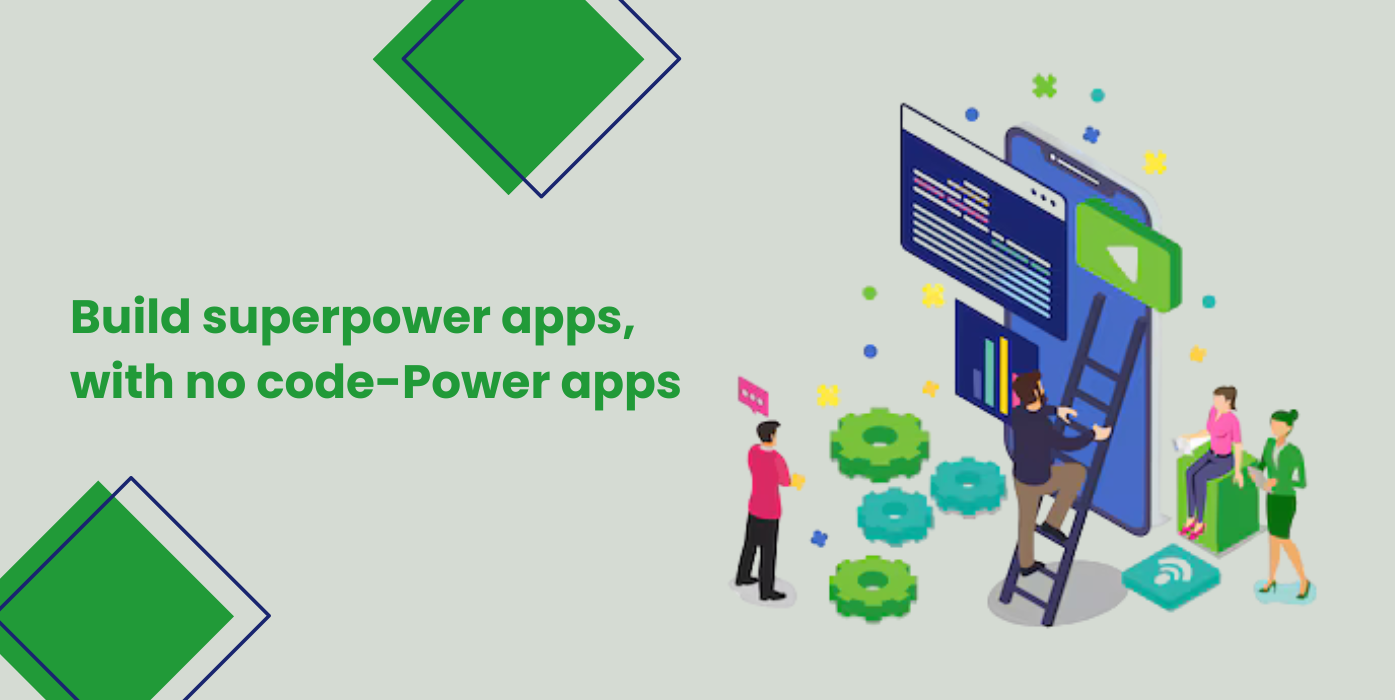
Build superpower apps, with no code-Power apps
PowerApps is a tool that allows you to create custom apps, leveraging many of the features of the Office 365
Cloud
Why do you need a Modern Workplace – M365?
Microsoft 365, a world of enhanced productivity and collaboration that drives a team to achieve more together, is a complete
Cloud, Microsoft 365 Security, Microsoft Teams
Microsoft Teams Updates (June 2021)
In this blog, we will be discussing the various Microsoft Teams updates in the month of June. Meeting Updates: During

Azure, Cloud, Cloud Computing
Microsoft rebrands Windows Virtual Desktop as Azure Virtual Desktop
Microsoft’s virtual desktop infrastructure platform has been rebranded under the Azure name and notified of new security and management capabilities

AWS, Azure, Cloud, Cloud Computing, Disaster Recovery, Google Cloud Platform, Microsoft 365 Security
How Startups can succeed with Cloud Computing?
Startups are an enjoyable but demanding professional experience. A host of entrepreneurially dedicated professionals pursue their passion and dive into

AWS, Azure, Cloud, Cloud Computing
Azure AD SSO & AWS – Connecting the Rivals
Being part of Mismo Systems, I am fortunate enough to get to work on a diverse set of projects. Few
AWS, Azure, Cloud, Microsoft 365 Security
A quick look at the 4 Most Used Services on Microsoft Azure
1. Azure Compute Azure compute is an on-demand computing service for running cloud-based applications. Azure compute service can be divided broadly into three
Cloud
Cloud Security – A shared responsibility
We see all businesses small or big, consuming cloud technology in one or another way. The pandemic has increased the
Cloud, Microsoft 365 Security, Microsoft Teams
Breakout Rooms and Its Usage – Microsoft Teams
In this blog, we are going to discuss a feature provided by Microsoft teams known as Breakout rooms. Also, we
Cloud
Is Cloud cheaper than On-premises Data Centres?
Cloud has bloomed over the last decade, according to Goldman’s analysts almost 23% of IT workloads now live on Public
AWS, Azure, Cloud, Cloud Computing, Tally
Hosting with Transparency, Compliance, and Security
We help customers host applications on the cloud, this includes accounting systems including Tally, ERP software including SAP, and Navision.

Cloud, Cloud Computing
Future of Cloud Computing
Cloud computing has established itself as the inevitable future when it comes to IT services. This picture becomes much clearer
AWS, Cloud
AWS Security Features
The Amazon Web Services (AWS) in terms of security follow a shared responsibility model. So, the security ‘of’ the cloud is on
AWS, Azure, Cloud, Cloud Computing
Azure vs AWS
It’s Azure vs AWS!! Read this blog to know the major differences between Azure & AWS. What is Azure? Microsoft
Azure
What is Budget in Azure and how can you set the Budget?
Budget in Azure to manage and monitor the spending or consumed cost for Azure services. We can apply budget on

Azure, Cloud
Azure Firewall
Azure Firewall is a managed, cloud-based network security service that protects your Azure virtual network resources. You can centrally create,
Cloud, Microsoft 365 Security
Package Manager for Microsoft Intune Administrators – Part 1
Deploying applications to end-user Windows machines has never been easier if you are a Microsoft Intune administrator. Earlier what used
Cloud, Uncategorized
Top 10 Elements of The Cloud
In this blog I will be talking about the Top 10 elements of Cloud. Virtual Network: Create a logically isolated section
Cloud, Cloud Computing, Uncategorized
How Cloud Computing Can Improve Your Business?
Cloud computing provides users with access to files, applications, data, and services from their Internet-connected devices, such as smartphones, laptops,
Cloud, Microsoft 365 Security, Microsoft Teams
Visio Tabs in Microsoft Teams
Visio Tabs in Microsoft Teams allows team members in a dedicated space to access resources and information in a channel
Cloud
Cloud or On-prem? – All you need to know about moving to Office 365
Protection and uptime are usual for Office 365 in the cloud. Companies are generating data at an utterly impressive pace
Azure
Remove Azure AAD Connect
Let’s see the steps to disable AD Sync, remove AAD connect and move to cloud-only administration. 1. Download Azure Active